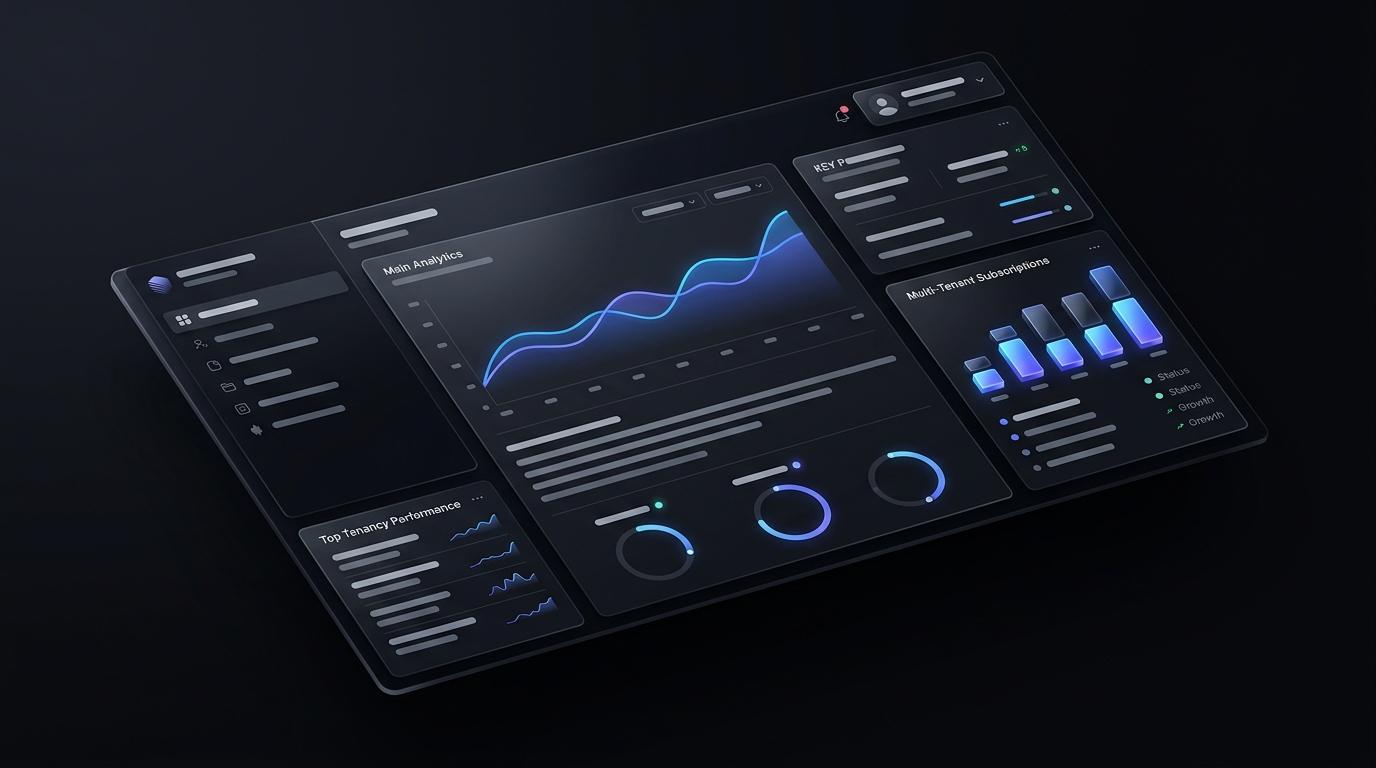
Matching Infrastructure to Actual Traffic
One of the most common mistakes in early software projects is deploying a sprawling multi-cluster Kubernetes setup for an application serving a few hundred daily users. Complexity itself has an operational cost.
At BIQAX, we design cloud foundations that are modular from day one: containerized services, managed databases with automated backups, and Infrastructure-as-Code so scaling up later is a configuration change, not a migration.
Reproducibility With Infrastructure-as-Code
When servers are configured manually in a cloud console, nobody remembers which firewall rule or environment flag made production work. Defining your VPC, compute, and storage in Terraform or Pulumi turns your infrastructure into version-controlled code.
Observability Before Outages
Automated health checks, structured logs, and budget anomaly alerts ensure your team catches memory leaks or unexpected API loops before customers—or your monthly invoice—notice.
A Short Monthly Review
Thirty minutes a month catches most waste before it becomes a habit.
- Compare spend by service with last month and explain any jump
- Delete unattached disks, old snapshots, and forgotten preview environments
- Check database and compute utilisation before resizing
- Confirm that a backup restore has been rehearsed recently